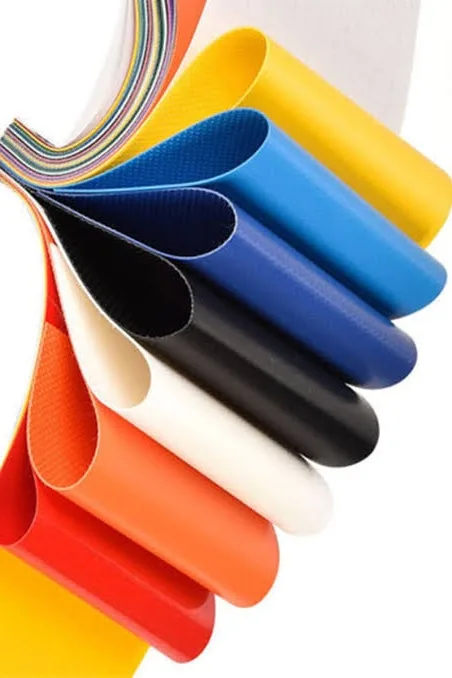
Looking for PTFE, PVC and HDPE fabric works in UAE? BAB Tents offers fabric works for tents, car parking shades and outdoor canopy projects. Each material serves a different purpose, so the right specification starts with how you plan to use the space.
A parking area may need breathable shade, while a covered entrance may need rain protection. An architectural canopy may require a different membrane and detailing approach altogether. This guide explains the three fabric options and the information to prepare before requesting a quotation.
Have a drawing or site photograph? Send it to sales@babtents.ae with your dimensions and location to discuss your fabric works requirements.
PTFE Fabric Works for Architectural Canopies
In tensile architecture, PTFE fabric commonly refers to a glass-fibre membrane coated with polytetrafluoroethylene. It is used in architectural roof and canopy systems where the membrane specification and structural design must work together. PTFE products are available in different constructions, including solid membranes and mesh, so the material name alone does not establish rain protection.
For PTFE fabric works, share the consultant’s specification where available. The review should identify the exact membrane grade, canopy geometry, supporting structure and connection requirements. Fabrication and installation details must suit the selected product.
Typical project discussions include entrance canopies, pedestrian walkways, courtyards and larger architectural shade structures. Confirm the product data, installation approach and proposed scope before approving the quotation.
PVC Fabric Works for Tents and Covered Spaces
PVC-coated polyester is widely used for tent covers and tensile membranes. Solid waterproof grades can suit projects that need protection from rain, while translucent and opaque versions provide different daylight conditions. Do not assume that every PVC product has the same performance: mesh, coatings, finishes and fabric grades differ.
PVC fabric works can be considered for tent roofing, covered seating, outdoor canopies and selected parking shade designs. A waterproof fabric still needs correctly detailed seams, edges, slopes and drainage. Open sides also allow wind-driven rain to enter beneath a canopy.
When requesting a quotation, state whether you need a roof only, roof and side panels, or replacement fabric for an existing frame. Include any requirements for colour, daylight, blackout performance and access openings. This helps define the actual work before pricing begins.
HDPE Fabric Works for Breathable Outdoor Shade
HDPE stands for high-density polyethylene. Standard knitted HDPE shade fabric allows airflow and water to pass through its open construction. It is therefore a shade solution rather than a waterproof roof. Special coated products exist, but their performance must be checked separately.
HDPE fabric works are often considered for car parking shades, playground shade sails, garden seating and outdoor rest areas. UV protection and shade performance vary with the product and colour; request the manufacturer’s figures for the proposed fabric rather than relying on a general percentage.
A specification such as 340 GSM describes fabric weight per square metre. It does not, by itself, confirm strength, UV performance, fire classification or suitability for a particular span. The supporting structure, pattern and tensioning arrangement also need to suit the chosen fabric.
PTFE vs PVC vs HDPE: A Quick Comparison
| Fabric option | Common project use | What to confirm |
|---|---|---|
| PTFE-coated glass fibre | Architectural roofs and canopies | Solid or mesh construction, membrane grade and specialist detailing |
| PVC-coated polyester | Tent covers and covered outdoor spaces | Waterproof grade where needed, seams, drainage and light transmission |
| Knitted HDPE | Parking shades and outdoor shade sails | Shade and UV data, colour and water permeability |
The best choice depends on the project brief. Start with the required protection and design, then compare products that satisfy those requirements.
Planning Your Fabric Works with BAB Tents
BAB Tents provides PTFE, PVC and HDPE fabric works alongside its tent and shade services. For a useful proposal, define whether the enquiry is for a new installation, fabric supply and fitting, or replacement fabric on an existing structure. The final quotation should identify the included works and any exclusions.
- Share the site details: provide the project location, photographs, dimensions and intended use.
- Describe the required coverage: explain whether the priority is sun shading, rain protection or a particular architectural appearance.
- Identify the structure: provide drawings for a new canopy or photographs and available details of an existing frame.
- Confirm the fabric specification: agree the proposed product, colour and relevant technical documents.
- Review the scope: clarify supports, connections, fabric fitting, access equipment, removal works and any civil works separately.
Explore our outdoor shade solutions, villa and home car parking shades, and tent and car parking shade design services for related project options.
Replacing Fabric on an Existing Shade Structure
Before ordering replacement fabric, arrange a review of the existing frame, fixings and connection points. A damaged cover may be accompanied by corrosion, loose fittings or other issues that need attention. Photographs help with the initial enquiry, but they may not replace a site assessment.
Changing from knitted HDPE to a solid PVC or PTFE membrane is not simply a fabric swap. The change can affect wind response, water drainage and loads on the structure. Confirm suitability through the project design review before committing to a different material.
What Affects the Price of Fabric Works?
Quotation costs depend on more than the covered area. Fabric grade, canopy shape, panel sizes, edge details, connection accessories and installation access all influence the scope. Replacement projects may also require removal and disposal of the existing cover or repairs to the support system.
For a clearer comparison, ask each supplier to quote against the same drawings and fabric requirements. Compare the stated product, included work, exclusions, delivery programme and written warranty terms. Avoid comparing prices based only on a material name or GSM value.
Frequently Asked Questions
Does BAB Tents offer PTFE, PVC and HDPE fabric works?
Yes. BAB Tents offers all three fabric works services. Send your requirements so the appropriate material and project scope can be discussed.
Which fabric should I choose for a car parking shade?
Knitted HDPE can suit a breathable shade brief. Where rain protection is required, discuss an appropriate solid membrane and drainage design. The final selection should match the structure and site requirements.
Is HDPE shade fabric waterproof?
Standard knitted HDPE shade fabric is water-permeable. If you need waterproof coverage, state this clearly in your enquiry and request the technical data for the proposed solution.
Can I get a quotation using drawings?
Drawings, approximate dimensions and photographs are useful starting points. Include the project location, preferred material and whether the steel structure is new or existing. Final measurements and scope may need site verification.
Request a Quotation for Fabric Works in UAE
Planning PTFE fabric works, PVC fabric works or HDPE fabric works in Dubai, Sharjah, Abu Dhabi or elsewhere in the UAE? Share your project details with BAREEK AL BAHAR TENTS IND L.L.C.SP to discuss the required scope.
Request a Fabric Works Quotation
Email: sales@babtents.ae
Material references: Fiberflon architectural membranes, Serge Ferrari Flexlight membranes, and GALE Commercial shade fabric FAQs. These explain material families; they do not imply that a particular brand is included in every BAB Tents quotation.