
When people invest in car parking shades, they often focus on appearance, roofing material, or cost. While these factors are important, one engineering consideration has a significant impact on the long-term safety and performance of the structure,wind load.
In the UAE, where open landscapes, coastal environments, and seasonal winds can create varying wind conditions, a car parking shade must be designed to withstand more than just intense sunlight. A properly engineered structure considers wind forces from the earliest design stage to help maintain stability, protect vehicles, and reduce long-term maintenance requirements.
Whether you’re planning residential car parking shades, commercial parking canopies, or industrial shade structures, understanding wind load is essential for selecting the right design, roofing material, and installation method.
This guide explains how wind load affects car parking shade design, why it matters in the UAE, and the engineering practices that contribute to safe and durable outdoor structures.
What Is Wind Load?
Wind load is the force that moving air exerts on a structure. Every outdoor structure,including car parking shades, tensile membrane structures, and shade canopies,experiences pressure whenever wind flows around or beneath it.
Unlike static loads such as the weight of the steel frame or roofing material, wind load is dynamic. It changes based on several factors, including:
- Wind speed
- Wind direction
- Building surroundings
- Structure height
- Roof shape
- Surface area exposed to the wind
For large-span parking shades, these forces can become significant. This is why structural engineers analyze wind behaviour before finalizing the design.
Why Wind Load Is a Major Design Consideration in the UAE
The UAE’s climate presents unique challenges for outdoor structures.Although the country is known for high temperatures, wind is another environmental factor that should not be overlooked. Open highways, industrial zones, coastal developments, and desert areas can all experience varying wind conditions throughout the year.
For this reason, professional car parking shade design goes beyond aesthetics. It combines engineering calculations, suitable materials, and proper structural detailing to create a system capable of performing reliably under local conditions.
A wind-resistant design can help:
- Improve structural stability
- Minimize excessive movement
- Reduce stress on connections
- Enhance long-term durability
- Protect roofing materials from unnecessary strain
This is why experienced manufacturers begin every project with careful planning rather than selecting a standard design without site evaluation.
How Wind Load Influences Car Parking Shade Design
Wind affects much more than the roof covering. It influences almost every part of the structure.
1. Structural Shape
The shape of a car parking shade determines how wind flows around it.
For example:
- Pyramid Car Parking Shades help distribute wind forces more evenly because of their sloped geometry.
- Wave-Type Car Parking Shades create a distinctive architectural appearance while requiring careful engineering to manage airflow.
- Umbrella and Inverted Umbrella Parking Shades rely on balanced structural support and proper anchoring to maintain stability.
- Truss Car Parking Shades are commonly selected for larger spans where additional structural strength is required.
Each design has unique engineering considerations, which is why selecting the right structure depends on the project location, intended use, and environmental conditions—not appearance alone.
2. Roof Material Selection
Roofing material also influences how a structure responds to wind.A high-quality tensile membrane is designed to remain under controlled tension while resisting environmental exposure.
Common roofing options include:
HDPE Roofing
HDPE roofing provides excellent UV protection, good ventilation, and lightweight performance. It is often selected for residential, educational, and commercial applications where airflow and heat reduction are important.
PVC Roofing
PVC-coated membranes offer durability, waterproof performance, and versatility. They are commonly used for parking facilities that require reliable weather protection with a balance of performance and cost.
PTFE Membranes
PTFE is widely used in premium commercial projects because of its exceptional durability, weather resistance, and long service life. It is often chosen for airports, stadiums, and large public developments where performance under demanding conditions is a priority.
Selecting the right roofing material should always be based on engineering requirements, environmental conditions, and the intended application rather than cost alone.
Why Structural Engineering Matters
A car parking shade is more than a fabric roof supported by steel columns.Behind every professionally designed structure is a detailed engineering process that evaluates:
- Wind pressure
- Structural loads
- Column spacing
- Steel member sizes
- Connection details
- Fabric tension
- Foundation requirements
These calculations help ensure the structure performs as intended throughout its service life.Without proper engineering, even high-quality materials may not achieve their expected performance.
This is why professional Design Services play an important role before manufacturing begins.
Foundation Design Is Just as Important as the Roof
Even the strongest steel frame depends on a properly designed foundation.Wind creates uplift forces that transfer through the columns into the concrete foundation. If the foundation is not engineered correctly, these forces can affect the overall stability of the structure.
Foundation design typically considers:
- Soil conditions
- Column loading
- Anchor bolt placement
- Concrete strength
- Drainage planning
These elements work together to support the structural system and help distribute loads safely. Because every project site is different, foundation requirements should be determined during the design stage rather than relying on standard dimensions.
Manufacturing Quality Influences Wind Performance
Even a well-designed structure requires precision during manufacturing.Quality fabrication helps ensure that steel components, connection plates, and support members match the approved engineering design. Professional manufacturing practices contribute to:
- Accurate component dimensions
- Better structural alignment
- Reliable connections
- Consistent material quality
- Improved long-term durability
This is why working with an experienced manufacturer is just as important as selecting the right design.
How Professional Installation Improves Wind Resistance
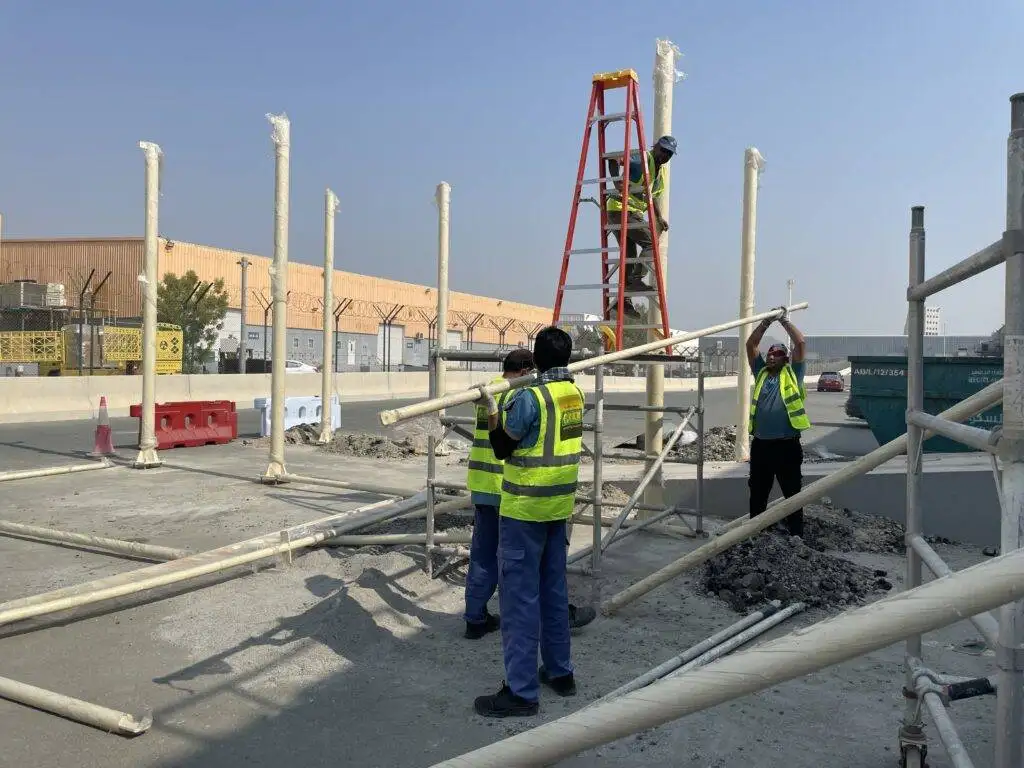
Even the most carefully engineered car parking shade can underperform if it is not installed correctly. The design, material selection, and manufacturing process all contribute to structural performance, but proper installation brings these elements together on site.
Professional installation ensures that the structure performs as intended under expected wind conditions by aligning the frame accurately, securing all structural connections, and applying the correct fabric tension.
A well-executed installation typically includes:
- Site verification before construction
- Accurate positioning of columns
- Proper alignment of structural members
- Secure connection of bolts and brackets
- Correct membrane tensioning
- Final inspection before project handover
These steps help create a stable and durable parking shade that performs reliably throughout its service life.
Residential vs Commercial Car Parking Shades: Do Wind Load Requirements Differ?
Although the engineering principles remain the same, wind load considerations vary depending on the type and scale of the project.
Residential Car Parking Shades
Residential projects generally cover one to four parking spaces and are designed to complement villas or private residences.Key considerations include:
- Limited structural span
- Visual appeal
- Efficient use of available space
- Heat reduction
- Vehicle protection
Recommended Products
- Home Car Parking Shades
- HDPE Roof Car Parking Shades
- Pyramid Car Parking Shades
Commercial Car Parking Shades
Commercial projects often involve large parking areas for shopping malls, hospitals, offices, educational institutions, airports, and industrial facilities.
These structures usually require:
- Larger spans
- Higher structural capacity
- Greater wind resistance
- Long-term durability
- Comprehensive engineering calculations
Commercial projects benefit from complete project planning, including design, manufacturing, installation, and future maintenance.
Common Design Mistakes That Reduce Wind Resistance
Even high-quality materials cannot compensate for poor planning or incorrect engineering decisions.Some of the most common mistakes include:
Choosing the Wrong Structural Design
Selecting a shade solely based on appearance may not provide the best performance for the project location.Instead, engineers evaluate factors such as span, exposure, usage, and environmental conditions before recommending a design.
Using Inappropriate Roofing Materials
Different roofing materials perform differently depending on the project requirements.Selecting the correct membrane should be based on:
- Expected environmental exposure
- Structural design
- Performance requirements
- Long-term maintenance
Ignoring Site Conditions
Every site has unique characteristics.Nearby buildings, open land, coastal environments, and surrounding structures can all influence wind behavior.A professional site assessment helps identify these factors before construction begins.
Improper Fabric Tension
Fabric that is either too loose or excessively tensioned may not perform as intended.Proper tension contributes to:
- Structural stability
- Water drainage
- Reduced fabric movement
- Better long-term performance
Delaying Maintenance
Routine inspections help identify loose connections, damaged fabric, or worn components before they become larger issues.Regular maintenance supports the continued performance of the structure.
Wind Load Checklist Before Installing a Car Parking Shade
Before starting your project, use this checklist to help ensure a safe and durable installation.
✔ Conduct a professional site survey.
✔ Review local environmental conditions.
✔ Choose an appropriate structural design.
✔ Select roofing materials suited to the project.
✔ Verify structural engineering calculations.
✔ Design foundations according to site conditions.
✔ Confirm corrosion protection for steel components.
✔ Use experienced installation professionals.
✔ Schedule periodic maintenance inspections.
This checklist helps reduce project risks while improving long-term structural performance.
Real-World Applications
Proper wind-resistant design benefits a wide range of projects.
Residential Villas
Homeowners often choose elegant parking shade designs that combine vehicle protection with architectural appeal.
Commercial Buildings
Businesses require attractive parking facilities that enhance customer comfort while maintaining structural reliability.
Educational Institutions
Schools and universities use parking shade structures to improve comfort for staff, visitors, and parents.
Healthcare Facilities
Hospitals benefit from shaded parking areas that create a more comfortable environment for patients and visitors.
Industrial Facilities
Industrial sites often require large-span parking solutions capable of supporting heavy daily usage while maintaining long-term durability.
Why Choose an Experienced Manufacturer?
Choosing a manufacturer involves more than comparing prices.An experienced provider offers value through:
- Professional engineering support
- Custom design solutions
- High-quality manufacturing
- Precision installation
- After-sales maintenance
- Project management from concept to completion
Working with a company that understands the technical aspects of tensile structures helps ensure the final solution is suited to your project’s functional and environmental requirements.
Final Thoughts
Wind load is one of the most important engineering considerations in the design of a car parking shade. While factors such as appearance, roofing material, and budget influence project decisions, long-term performance depends on a combination of sound engineering, quality manufacturing, professional installation, and ongoing maintenance.
Whether you’re planning a parking solution for a villa, shopping mall, hospital, school, office complex, or industrial facility, investing in a professionally engineered shade structure helps create a safer, more durable, and more reliable outdoor environment.
By working with an experienced manufacturer that provides design, manufacturing, installation, maintenance, and turnkey project solutions, you gain a partner capable of delivering a structure tailored to your site’s requirements and built for long-term performance.
Frequently Asked Questions
What is wind load in a car parking shade?
Wind load is the force exerted by moving air on a parking shade structure. Engineers consider this force when designing the frame, roof, and foundations.
Why is wind load important in the UAE?
The UAE’s climate includes strong seasonal winds, open landscapes, and coastal environments. Proper engineering helps outdoor structures perform reliably under these conditions.
Which roofing material is best for windy environments?
The most suitable roofing material depends on the project’s design, location, and performance requirements. HDPE, PVC, and PTFE each offer different advantages when used in appropriately engineered systems.
Does the shape of a parking shade affect wind resistance?
Yes. Shapes such as pyramid, truss, wave, and umbrella designs interact with airflow differently, making engineering analysis an important part of the design process.
Why are foundations important?
Foundations transfer structural loads safely into the ground and help resist uplift and lateral forces created by wind.
How often should a parking shade be inspected?
Regular inspections help identify wear, loose connections, or minor issues before they affect structural performance. Inspection frequency depends on usage and environmental conditions.
Can an existing parking shade be upgraded?
In many cases, existing structures can be assessed for renovation, fabric replacement, or structural improvements, depending on their condition and design.
Do commercial projects require different engineering than residential projects?
Yes. Commercial parking areas often involve larger spans, higher occupancy, and more complex loading conditions, requiring project-specific engineering.