
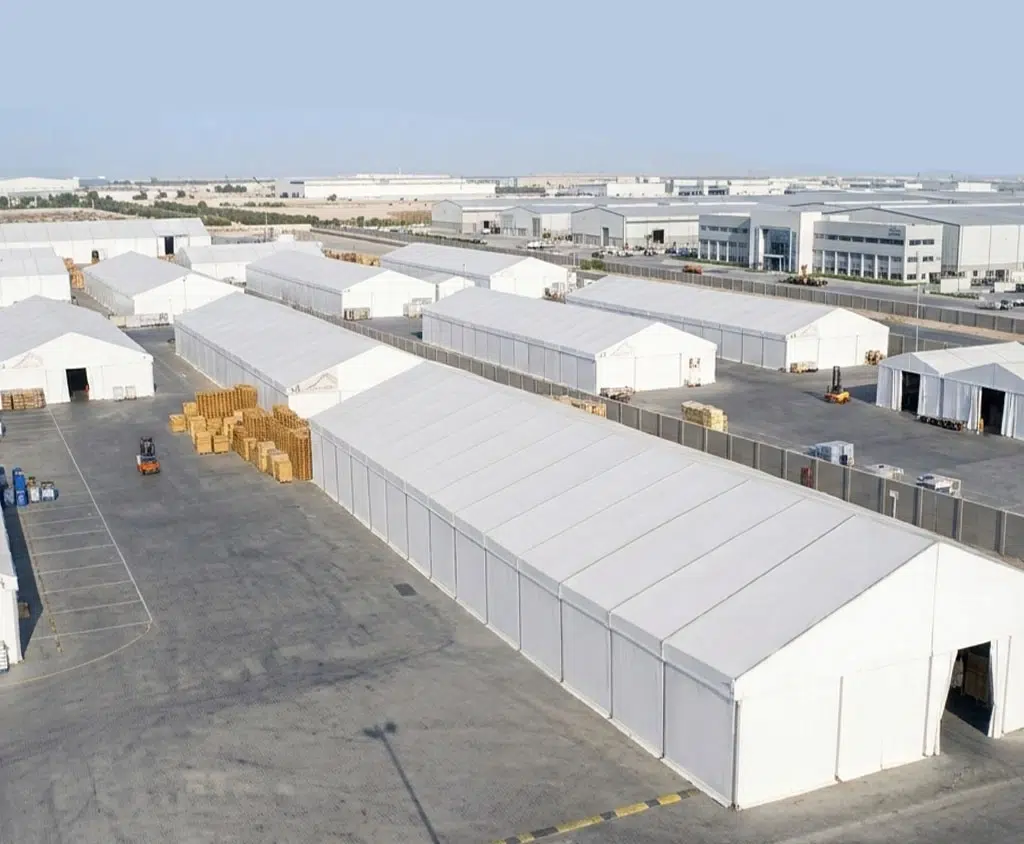
How Weather Conditions in the UAE Affect Tent Performance
The UAE is known for its impressive architecture, thriving industries, and year-round outdoor activities. However, it is also home to one of the world’s most demanding climates. Intense heat, prolonged UV exposure, strong winds, sandstorms, humidity, and occasional heavy rainfall all create challenges for outdoor structures. Whether a tent is used for commercial, industrial, hospitality, or construction purposes, its performance depends largely on how well it is designed to withstand these environmental conditions.
Choosing the right tent is not simply about selecting the correct size or appearance. The materials, structural engineering, and installation quality all determine how effectively a tent performs throughout the year. Investing in a weather-resistant tent structure helps reduce maintenance costs, improves safety, and ensures long-term durability in the UAE’s challenging environment.
In this guide, we’ll explore how different weather conditions affect tent performance and the key features to consider when selecting a tent structure for your project.
Why the UAE Climate Demands High-Performance Tent Structures
Unlike many other regions, the UAE experiences multiple environmental factors that place continuous stress on outdoor structures. A tent installed today must remain reliable through extreme summer temperatures, seasonal winds, dust storms, and varying humidity levels.Some of the biggest climate challenges include:
- Temperatures exceeding 45°C during summer.
- Continuous exposure to intense ultraviolet (UV) rays.
- Strong winds and occasional sandstorms.
- Coastal humidity in many parts of the UAE.
- Unexpected rainfall during seasonal weather changes.
Each of these conditions can gradually affect the structural integrity and lifespan of a tent if it is not engineered using high-quality materials.
How Extreme Heat Affects Tent Performance
High temperatures are one of the biggest challenges for outdoor structures in the UAE. Constant heat exposure can impact both the fabric and the structural frame if low-quality materials are used.Some common effects of extreme heat include:
- Fabric expansion and contraction.
- Reduced material flexibility over time.
- Increased indoor temperatures.
- Faster aging of lower-grade materials.
- Higher maintenance requirements.
Premium PVC fabrics are specifically designed to perform under prolonged heat exposure while maintaining their strength and appearance. These materials also help improve occupant comfort by reducing heat transfer into the covered space.Additionally, properly engineered ventilation systems allow hot air to escape, creating a more comfortable environment for workers, visitors, or stored equipment.
The Impact of UV Radiation on Tent Lifespan
The UAE receives intense sunlight throughout most of the year. Continuous ultraviolet exposure gradually weakens many construction materials, making UV resistance one of the most important factors when selecting a tent structure.Without proper UV protection, tent fabrics may experience:
- Colour fading.
- Material brittleness.
- Surface cracking.
- Reduced tensile strength.
- Shortened service life.
High-quality weather-resistant fabrics are manufactured with UV-stabilized coatings that help maintain durability even after years of outdoor exposure. This protection not only extends the life of the tent but also preserves its professional appearance.When comparing tent options, choosing UV-resistant materials is often a smarter long-term investment than selecting a lower-cost alternative.
Wind Resistance and Structural Stability
Although the UAE is known for its hot climate, strong winds and sandstorms can also create demanding conditions for outdoor structures.Wind places continuous pressure on:
- Roof coverings.
- Structural frames.
- Anchoring systems.
- Connection points.
- Fabric tension.
A professionally engineered tent distributes wind loads evenly throughout the structure, reducing stress on individual components.Strong aluminium and galvanized steel frames provide excellent structural stability while maintaining corrosion resistance. Combined with secure anchoring systems and professional installation, these features significantly improve overall safety during windy conditions.
For industrial facilities, warehouses, and construction sites, wind resistance should always be considered during the planning stage.
How Sandstorms Affect Outdoor Tent Structures
Sandstorms are a natural part of the UAE environment. While they may only occur occasionally, they can have a long-term impact on outdoor structures.Fine sand particles can:
- Abrade tent fabrics.
- Accumulate around structural joints.
- Increase cleaning requirements.
- Affect moving components.
- Reduce the lifespan of poorly protected materials.
Fortunately, modern tent structures are designed to minimise these risks. Smooth PVC surfaces are easier to clean, while corrosion-resistant frames maintain their performance even after repeated exposure to dust and sand.Regular inspections and routine maintenance also help preserve structural integrity after severe weather events.
Humidity and Corrosion Protection
Many coastal areas in the UAE experience high humidity levels throughout the year. Moisture in the air can accelerate corrosion when inferior metal components are used.This makes material selection especially important.Premium tent manufacturers typically use:
- Galvanized steel.
- Powder-coated components.
- Corrosion-resistant aluminium.
- Weather-resistant fasteners.
- High-performance protective coatings.
These materials significantly reduce the effects of moisture while extending the operational life of the structure.For businesses located near the coast, corrosion resistance is just as important as heat resistance when selecting a long-lasting tent solution.
Why Material Quality Makes All the Difference
Not all tent materials perform equally under the UAE’s climate. While lower-cost structures may appear similar initially, their performance often declines much faster under continuous environmental exposure.High-quality tent structures generally include:
Premium PVC Fabric
PVC-coated fabrics offer excellent protection against UV rays, heat, rain, and daily wear while maintaining flexibility and durability.
Aluminium Frames
Lightweight, corrosion-resistant, and easy to install, aluminium frames are ideal for commercial, hospitality, and event applications.
Galvanized Steel Frames
For heavy-duty industrial projects, galvanized steel provides exceptional strength, stability, and long-term durability under demanding operating conditions.
Professional Engineering
Well-designed structural systems distribute environmental loads more efficiently, improving both safety and overall performance.
Proper Installation Is Just as Important as Material Quality
Even the most durable tent structure can underperform if it is installed incorrectly. Proper installation ensures that the tent can withstand environmental pressures while maintaining its structural integrity over time.Professional installation includes careful site assessment, accurate anchoring, and proper tensioning of the fabric. These factors help distribute loads evenly across the structure and reduce unnecessary stress on individual components.A well-installed tent offers several advantages, including:
- Improved wind resistance.
- Better fabric tension for enhanced durability.
- Increased structural stability.
- Reduced maintenance requirements.
- Longer service life.
Working with an experienced tent provider ensures that every component is installed according to engineering standards and local safety requirements.
Maintenance Tips to Extend the Life of Your Tent
Regular maintenance plays a key role in keeping tent structures in excellent condition, especially in the UAE’s demanding climate. Preventive care not only preserves the appearance of the tent but also helps identify minor issues before they become costly repairs.Some recommended maintenance practices include:
Clean the Fabric Regularly
Dust, sand, and debris can accumulate on the fabric over time. Cleaning the surface with suitable products helps maintain its appearance and prevents premature wear.
Inspect the Frame
Check structural components periodically for loose bolts, damaged fittings, or signs of wear. Early detection helps maintain the stability of the structure.
Remove Sand Build-Up
Sand accumulation around anchor points and joints should be cleared regularly to prevent unnecessary stress on the structure.
Check Fabric Tension
Properly tensioned fabric reduces unnecessary movement during windy conditions and helps maintain the tent’s overall performance.
Schedule Professional Inspections
Annual inspections by experienced technicians help ensure the structure continues to perform safely and efficiently.
Signs It May Be Time to Upgrade Your Tent Structure
Even well-maintained tent structures eventually reach the end of their service life. Recognizing the signs of aging can help prevent unexpected failures and maintain a safe environment.Some indicators include:
- Visible fabric cracking or fading.
- Frequent repair requirements.
- Corrosion on structural components.
- Reduced stability during windy conditions.
- Water leakage during rainfall.
- Outdated designs that no longer meet operational requirements.
Replacing an aging tent with a modern, weather-resistant structure often improves safety, energy efficiency, and long-term operating costs.
Why Weather-Resistant Tents Are a Smart Long-Term Investment
Although premium tent structures may involve a higher initial investment, they often deliver greater value over time. Durable materials, professional engineering, and proper installation help minimize maintenance costs while extending the lifespan of the structure.Long-term benefits include:
- Lower maintenance expenses.
- Enhanced safety and reliability.
- Better resistance to harsh weather conditions.
- Improved comfort for occupants.
- Consistent performance throughout the year.
- Greater return on investment.
For businesses operating in the UAE, choosing a high-quality tent structure is an investment in long-term performance rather than a short-term solution.
Final Thoughts
The UAE’s climate presents unique challenges that demand durable, well-engineered tent structures. From intense heat and UV exposure to sandstorms, humidity, and seasonal rainfall, every environmental factor influences the performance and longevity of outdoor shelters.
Choosing premium materials, ensuring professional installation, and following a regular maintenance schedule are essential steps toward maximizing the lifespan of your investment. By selecting a tent designed for local weather conditions, businesses can improve safety, reduce maintenance costs, and enjoy dependable performance throughout the year.
Whether your project involves construction, warehousing, hospitality, or commercial operations, investing in a high-quality weather-resistant tent provides lasting value and peace of mind.
Need a Tent Structure Built for the UAE Climate?
At BAB Tents, we design and install high-quality tent structures that are engineered to perform in the UAE’s demanding weather conditions. From industrial warehouses and labour accommodation to commercial and event tents, our solutions are built for durability, safety, and long-term reliability.
Explore our range of tent solutions or contact our team to find the right structure for your project.
Frequently Asked Questions
Can tent structures withstand the UAE’s extreme summer temperatures?
Yes. High-quality tent structures manufactured with premium PVC fabrics and engineered frames are specifically designed to perform in high-temperature environments while maintaining structural stability.
Which frame material is better for the UAE climate?
Both aluminium and galvanized steel offer excellent performance. Aluminium is lightweight and corrosion-resistant, while galvanized steel provides superior strength for heavy-duty applications.
How often should a commercial tent be inspected?
It is recommended to perform routine visual inspections throughout the year and arrange professional inspections annually or after severe weather events.
Do tent structures require regular maintenance?
Yes. Regular cleaning, inspections, and preventive maintenance help maximize durability, improve safety, and extend the lifespan of the structure.
Can heavy winds damage tent structures?
Professionally engineered and correctly installed tent structures are designed to withstand expected wind loads. However, proper anchoring and routine maintenance remain essential for long-term performance.