
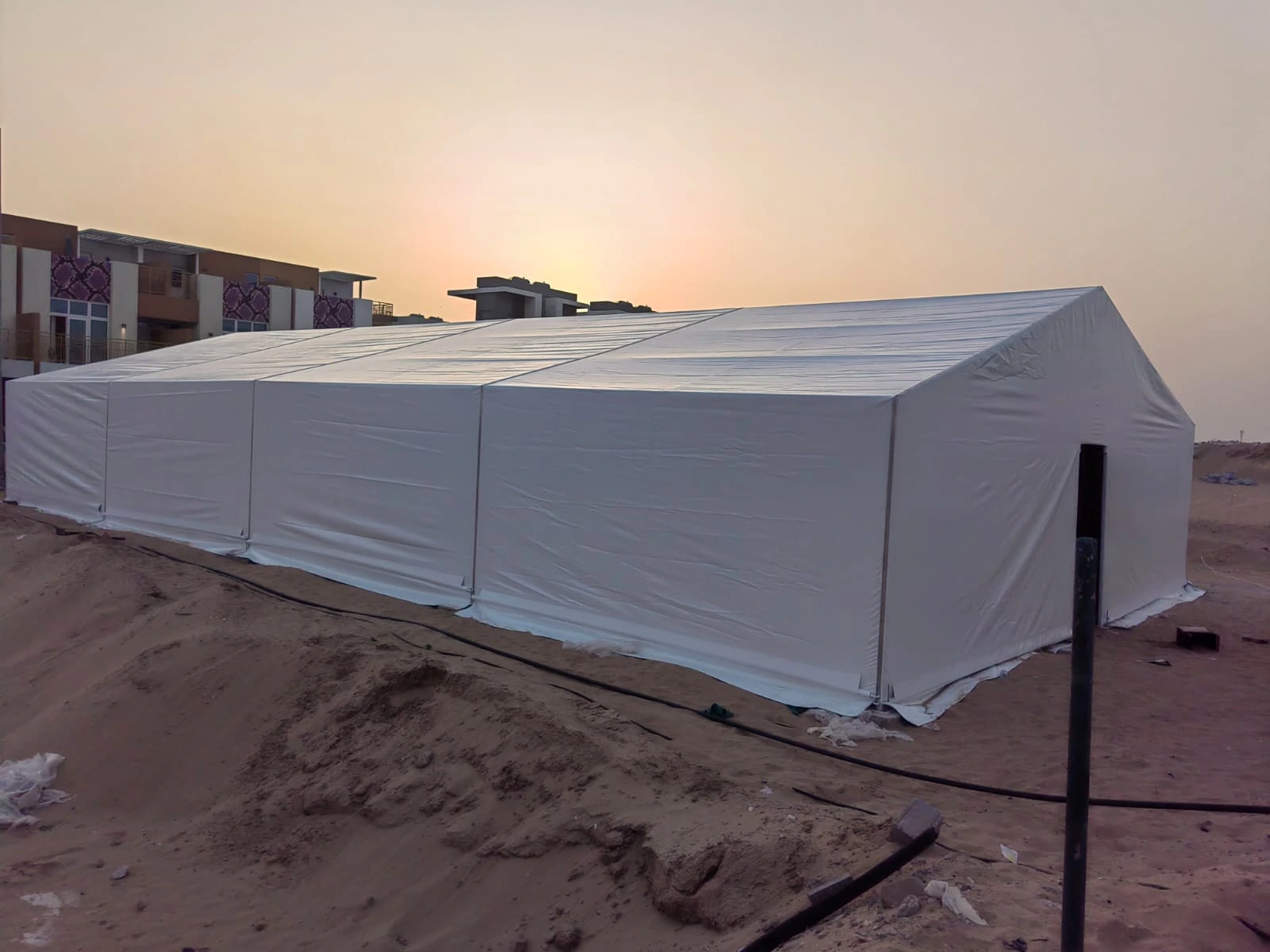
Why Are Some Tents More Expensive Than Others? Understanding What You’re Paying For
Looking Beyond the Price Tag: What Determines the Cost of a Quality Tent?
If you’ve requested quotations from multiple tent suppliers, you’ve probably noticed that prices can vary significantly,even for tents that appear similar at first glance.
This often leads to an important question:
“Why is one tent much more expensive than another?”
The answer isn’t always straightforward. A tent is far more than a fabric cover supported by steel poles. Its price reflects a combination of engineering expertise, material quality, structural design, manufacturing precision, installation standards, and long-term performance.
A lower initial price may seem attractive, but it doesn’t always represent the best value over the life of the structure. Likewise, a higher quotation often includes features that contribute to greater durability, safety, and reduced maintenance.
In this guide, we’ll explore the key factors that influence tent pricing and explain what you’re actually paying for when investing in a commercial or industrial tent.
Why Tent Prices Can Differ So Much
Every tent project is unique. The final cost depends on a combination of technical, structural, and operational requirements rather than a single factor. Some of the biggest cost differences come from:
- Tent size and dimensions
- Roofing material
- Structural engineering
- Steel quality
- Fabric specifications
- Manufacturing process
- Installation complexity
- Site conditions
- Customization
- Long-term maintenance requirements
Understanding these factors helps buyers compare quotations more effectively.
1. Tent Size Is Only Part of the Price
Many people assume that a larger tent automatically costs more than a smaller one. While size certainly influences material quantities, it isn’t the only pricing factor.
For example:
- Two warehouse tents with the same dimensions may have different prices because of their structural design.
- An industrial tent with heavy-duty steel components may cost more than an event tent of similar size.
- A custom-designed solution often requires additional engineering compared to a standard configuration.
Instead of asking, “How much does a tent cost?” it’s more helpful to ask, “What does this tent need to achieve?”
2. Fabric Quality Has a Major Impact on Cost
One of the biggest differences between budget and premium tents is the quality of the membrane fabric.High-performance fabrics are designed to withstand:
- Intense UV exposure
- Heavy rainfall
- Wind loads
- Temperature fluctuations
- Daily operational use
Common membrane options include:
PVC-Coated Fabric
PVC-coated fabrics are widely used because they offer a balance of durability, waterproofing, and cost-effectiveness.
Suitable for:
- Warehouse tents
- Industrial shelters
- Commercial applications
HDPE Fabric
HDPE provides excellent ventilation and UV protection, making it ideal for outdoor environments where airflow is important.
PTFE Membrane
PTFE is considered a premium architectural fabric known for exceptional durability, weather resistance, and long service life. It is commonly used in airports, stadiums, and large commercial developments.
Higher-quality fabrics generally involve greater upfront costs but often provide longer service life and lower maintenance needs.
3. Engineering Is an Investment—Not an Extra Cost
A professionally engineered tent isn’t just designed to look good,it is designed to perform safely under real-world conditions. Engineers evaluate factors such as:
- Wind loads
- Structural loads
- Roof geometry
- Fabric tension
- Foundation requirements
- Steel member sizing
- Connection details
This level of planning helps ensure that the structure is suitable for its intended application and local environmental conditions.
4. Steel Quality Influences Strength and Durability
The steel framework is the backbone of any tent structure. The quality of steel affects:
- Structural strength
- Corrosion resistance
- Load-bearing capacity
- Service life
Reputable manufacturers typically use steel that is fabricated and protected to perform reliably in outdoor environments. For projects in coastal or humid regions, corrosion protection becomes even more important for long-term performance.
5. Manufacturing Standards Matter
Two tents may look almost identical in photographs but differ greatly in manufacturing quality. Professional manufacturing involves:
- Precision cutting
- Accurate welding
- Quality inspections
- Dimensional accuracy
- Proper finishing
- Consistent fabrication standards
Attention to these details contributes to easier installation and better long-term performance.
6. Custom Design vs Standard Tents
A standard tent is designed for general applications. A custom-designed tent is tailored to your specific project requirements.
Customization may include:
- Unique dimensions
- Special roof profiles
- Additional entrances
- Ventilation systems
- Lighting provisions
- Branding
- Equipment access points
- Future expansion capability
While custom solutions often involve a higher initial investment, they can improve operational efficiency and reduce the need for future modifications.
Are You Comparing Tent Quotations?
Before choosing the lowest price, compare what each supplier includes.
Ask questions such as:
- Is the structure professionally engineered?
- What membrane material is being used?
- Is installation included?
- What type of after-sales support is available?
- Does the quotation include foundations or only the steel structure?
- What warranty is offered?
Button: Request a Detailed Project Consultation
7. Installation Quality Affects the Overall Investment
Installation is one of the most important phases of a tent project. Proper installation helps ensure:
- Accurate structural alignment
- Correct fabric tension
- Secure structural connections
- Safe project completion
Poor installation can reduce the overall performance of even high-quality materials.
8. Site Conditions Can Change the Project Cost
Every installation site is different. Factors that influence pricing include:
- Soil conditions
- Accessibility
- Foundation requirements
- Terrain
- Drainage
- Existing infrastructure
A detailed site assessment helps determine the most suitable construction approach.
9. After-Sales Support Adds Long-Term Value
The relationship with your supplier shouldn’t end after installation. Reliable after-sales support can include:
- Routine inspections
- Maintenance services
- Fabric replacement
- Structural repairs
- Technical assistance
- Future upgrades
Working with a supplier that provides ongoing support helps protect your investment over time.
Price vs Value: Which Should You Focus On?
Rather than selecting the lowest quotation, evaluate the overall value of the solution.
Ask yourself:
✔ Will this tent meet my operational needs?
✔ Is it designed for future growth?
✔ Are the materials suitable for my environment?
✔ Has the structure been professionally engineered?
✔ Does the supplier provide installation and maintenance?
The lowest price today may result in higher repair, replacement, or operational costs later.
Choosing the Right Tent Manufacturer
A reliable manufacturer provides more than just a product. Look for a company that offers:
- Professional consultation
- Site survey
- Engineering design
- High-quality manufacturing
- Expert installation
- Ongoing maintenance
- Turnkey project management
Choosing an experienced partner simplifies the entire project and helps ensure consistent quality from concept to completion.
Conclusion
Choosing a tent is about much more than finding the lowest price. Every component,from the membrane fabric and steel framework to the engineering calculations and installation process,contributes to the structure’s overall performance and lifespan.
A well-designed tent may require a higher initial investment, but it often delivers greater durability, improved safety, lower maintenance costs, and better long-term value. By understanding what influences pricing, you can compare quotations more effectively and choose a solution that meets your operational requirements today while supporting your business in the future.
Build the Right Tent, Not Just the Cheapest One
Every project deserves a solution designed around its specific requirements. Whether you need a warehouse tent, industrial tent, labour accommodation tent, or a fully customized tensile structure, our team is here to help you make an informed investment.
Explore Our Solutions
- Warehouse Tents
- Industrial Tents
- Labour Tents
- Event Tents
- Custom Tent Solutions
- Design Services
- Manufacturing Services
- Installation Services
- Maintenance Services
- Turnkey Solutions
Button 1: Get a Free Quote
Frequently Asked Questions
Why do tent prices vary so much?
Prices vary because of differences in materials, engineering, manufacturing quality, customization, installation requirements, and project complexity.
Does a higher price always mean better quality?
Not necessarily. However, higher quotations often include premium materials, detailed engineering, and additional services that contribute to long-term value.
What is the biggest factor affecting tent cost?
There isn’t a single factor. The final cost is usually influenced by a combination of size, materials, structural design, engineering, manufacturing, and installation.
Is a custom tent worth the extra investment?
For projects with specific operational needs or unique site conditions, a custom-designed tent can improve efficiency and provide better long-term value.
Should I compare quotations based only on price?
No. Compare the complete scope of work, materials, engineering, installation, warranty, and after-sales support before making a decision.