
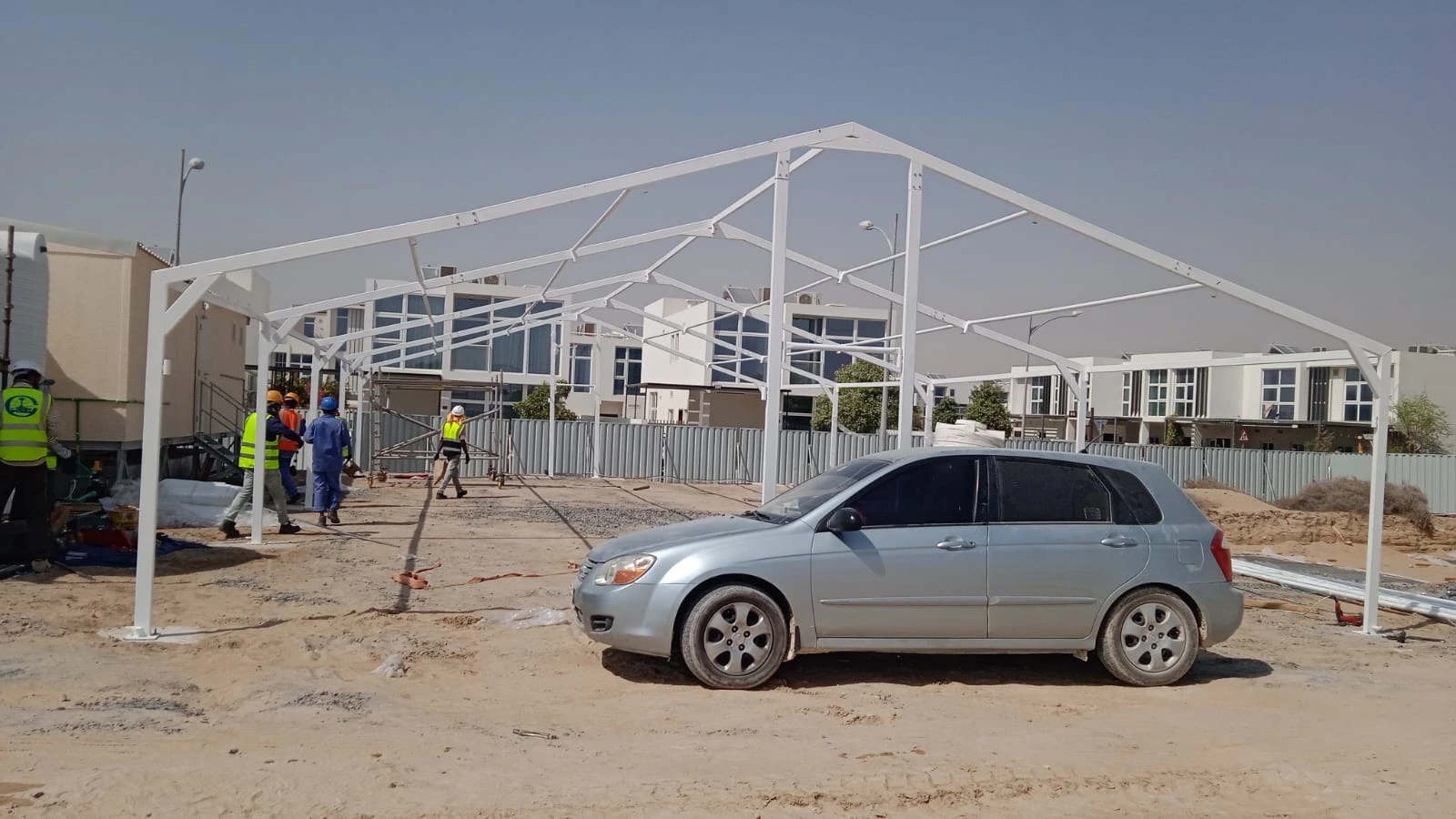
Why Fabric Tension Is the Foundation of Every Durable Shade Structure
When people admire a modern shade structure, they often notice its elegant curves, premium fabric, or architectural appeal. However, one of the most important elements is something that isn’t immediately visible,fabric tension.
Whether it’s a car parking shade, warehouse canopy, industrial shelter, or a large tensile membrane structure, the strength and performance of the entire system depend on how the fabric is tensioned.
A high-quality membrane alone cannot guarantee durability. Without proper tension, even premium materials may experience unnecessary movement, poor drainage, premature wear, or reduced structural stability.
In this guide, we’ll explain what fabric tension is, why it matters, and how professional engineering helps create shade structures that perform reliably in demanding environments like the UAE.
What Is Fabric Tension?
Fabric tension refers to the controlled force applied to a tensile membrane during installation. Instead of allowing the fabric to hang loosely, engineers stretch it to a calculated level so that it works together with the steel framework as a structural system. Unlike conventional roofs that rely mainly on rigid materials, tensile structures achieve their strength through the combination of:
- Engineered steel supports
- High-performance membrane fabric
- Precisely calculated fabric tension
When these elements work together, the result is a structure that is both lightweight and remarkably strong.
Why Is Fabric Tension So Important?
Proper fabric tension influences almost every aspect of a shade structure’s performance.
Maintains Structural Stability
A correctly tensioned membrane distributes forces evenly across the structure, reducing unnecessary stress on individual components and helping the structure maintain its intended shape.
Improves Wind Resistance
In outdoor environments, wind constantly interacts with the fabric surface.
A properly tensioned membrane:
- Minimizes excessive movement
- Reduces fluttering
- Improves aerodynamic performance
- Helps maintain structural stability
This is especially important for Car Parking Shades and other outdoor tensile structures exposed to varying weather conditions.
Supports Efficient Rainwater Drainage
Loose fabric can create low points where water collects. Proper tension helps maintain the designed roof profile, allowing rainwater to flow efficiently toward drainage points instead of accumulating on the surface.
Extends Fabric Lifespan
Consistent tension reduces unnecessary stretching and repeated movement that may contribute to premature wear. A properly tensioned membrane is better positioned to maintain its performance over time when combined with regular inspections and maintenance.
How Engineers Determine the Right Fabric Tension
Fabric tension isn’t based on estimation or visual appearance. Engineers evaluate multiple factors before determining the appropriate tension level, including:
- Type of membrane material
- Roof geometry
- Span length
- Wind loads
- Rainwater drainage requirements
- Supporting steel framework
- Intended application
This engineering approach helps ensure the finished structure performs safely and efficiently.
Common Problems Caused by Incorrect Fabric Tension
Improper tension can affect both appearance and performance.
Some common issues include:
Excessive Fabric Movement
A loose membrane may move more than intended during windy conditions, increasing stress on connection points.
Water Ponding
If rainwater cannot drain properly, standing water may increase loads on the membrane and supporting structure.
Wrinkles and Uneven Appearance
Incorrect tension can create wrinkles that affect both aesthetics and the overall distribution of forces.
Increased Maintenance
Poorly tensioned fabric may require more frequent inspections and adjustments compared to a correctly installed system.
Need Expert Guidance for Your Shade Structure?
Whether you’re planning a car parking shade, warehouse canopy, industrial tent, or a custom tensile membrane structure, proper engineering begins long before installation.
Our team can help you choose the right membrane material, structural design, and tensioning system to suit your project’s requirements and environmental conditions.
Button: Schedule a Free Design Consultation
Fabric Tension and Different Membrane Materials
Different roofing materials respond differently to applied tension.
HDPE Fabric
HDPE fabrics are lightweight and provide excellent ventilation, making them suitable for many outdoor shade applications.
PVC-Coated Fabric
PVC membranes offer a balance of durability, waterproof performance, and flexibility, making them a popular choice for commercial and industrial projects.
PTFE Membrane
PTFE fabrics are designed for demanding architectural applications where durability, weather resistance, and long service life are priorities.
Why Professional Installation Matters
Even the best engineering calculations can only deliver the expected performance when the structure is installed correctly.
Professional installation helps ensure:
- Accurate fabric tension
- Proper alignment
- Secure structural connections
- Correct membrane positioning
- Compliance with project specifications
Final thought
Fabric tension is one of the most important,but often overlooked,elements in the performance of modern shade structures. It influences structural stability, wind resistance, drainage, appearance, and the long-term durability of the membrane.
Whether you’re investing in a residential car parking shade, a large commercial tensile structure, or an industrial canopy, choosing a professionally engineered and correctly tensioned system helps ensure reliable performance for years to come.
Working with an experienced manufacturer that provides design, manufacturing, installation, and maintenance services gives you confidence that every part of the structure has been planned to perform as a complete system.
Build Stronger, Longer-Lasting Shade Structures with Expert Engineering
From design and material selection to manufacturing, installation, and maintenance, BAB Tents delivers tailored tensile solutions designed for long-term performance.
Explore Our Solutions
- Car Parking Shades
- Shade Structures
- Warehouse Tents
- Industrial Tents
- Design Services
- Manufacturing Services
- Installation Services
- Maintenance Services
Button 1: Get a Free Quote Button 2: Talk to Our Engineers
Frequently Asked Questions
What is fabric tension in a tensile structure?
Fabric tension is the controlled force applied to a membrane so it works together with the supporting structure to provide stability and strength.
Why is proper fabric tension important?
It helps improve structural stability, supports drainage, minimizes excessive movement, and contributes to the long-term performance of the membrane.
Can incorrect fabric tension damage a shade structure?
Improper tension may lead to wrinkles, excessive movement, poor drainage, and increased maintenance requirements.
Does every shade structure require the same fabric tension?
No. The required tension depends on factors such as the membrane material, structural design, span, environmental conditions, and project requirements.
Who should install a tensile membrane structure?
Professional installation by experienced specialists helps ensure the membrane is tensioned according to the engineering design and project specifications.