
Don’t Ignore These Warning Signs Before Minor Damage Turns into a Major Repair
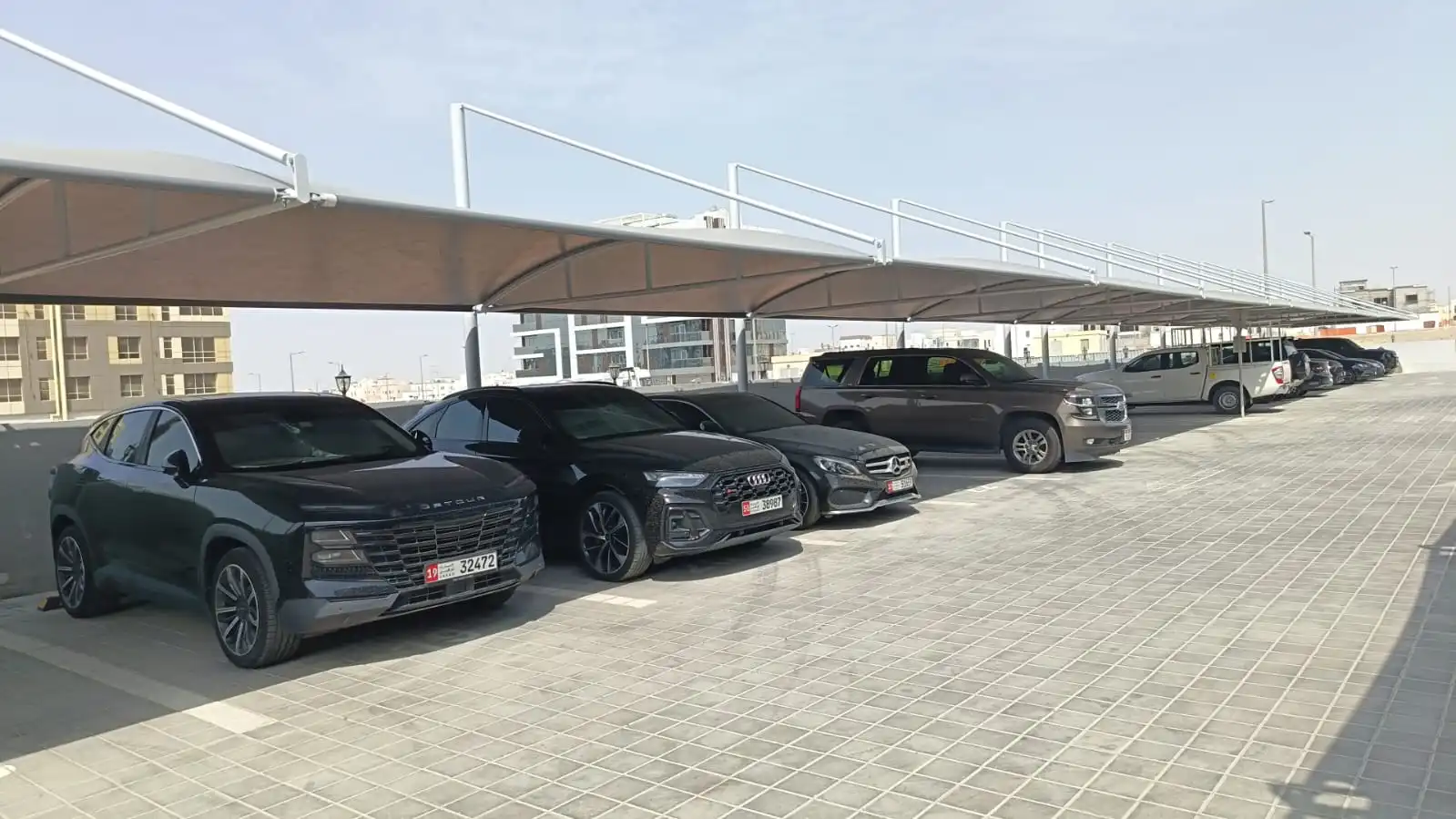
A car parking shade is built to protect vehicles from the UAE’s intense sunlight, high temperatures, dust, and seasonal weather. While modern parking shade structures are designed for durability, they are constantly exposed to environmental conditions that gradually affect both the fabric and the supporting framework.
Many property owners only take action when the damage becomes obvious,a torn fabric, a leaking roof, or a visibly unstable structure. By that stage, what could have been a simple repair may require costly replacements or extensive structural work.
The good news is that most parking shade problems develop gradually and show clear warning signs before becoming serious. Identifying these issues early not only extends the life of your parking shade but also helps maintain safety, appearance, and long-term performance.In this guide, we’ll explore the seven most common signs that indicate your parking shade needs professional inspection or repair before the problem becomes more expensive to fix.
Why Early Repairs Are Always the Better Investment
A damaged parking shade doesn’t just affect the appearance of your property. If ignored, small defects can compromise the structural stability of the entire system.Timely repairs help you:
- Extend the lifespan of the parking shade
- Maintain structural safety
- Reduce unexpected repair costs
- Protect vehicles from weather damage
- Preserve the professional appearance of your property
- Avoid complete fabric or framework replacement
Regular inspections combined with prompt repairs are often the most cost-effective way to protect your investment.
1. Tears, Holes, or Visible Damage in the Shade Fabric
The fabric is the most exposed component of any parking shade, making it one of the first areas to show signs of wear.Even a small tear can quickly expand when exposed to:
- Strong winds
- Continuous UV exposure
- Dust storms
- Heavy rain
- Falling branches or debris
Many property owners assume a minor tear isn’t urgent, but damaged fabric places uneven stress on the surrounding material, increasing the likelihood of larger failures.
What You Should Do
Inspect the damaged area as soon as you notice it and arrange professional repairs before the tear spreads.
2. Sagging or Loose Fabric
A properly installed parking shade should have uniform fabric tension.If sections begin to sag or wrinkle, it’s usually a sign that something isn’t functioning as intended.Possible causes include:
- Reduced fabric tension
- Ageing material
- Loose fixing components
- Structural movement
- Incorrect installation
Apart from affecting appearance, sagging fabric may collect rainwater, increasing stress on both the fabric and the supporting structure.
Why It Matters
Ignoring sagging can shorten the lifespan of the fabric and eventually lead to more extensive repairs.
3. Rust or Corrosion on Steel Components
Most quality parking shade structures use galvanized steel to resist corrosion, but no protective coating lasts forever without proper care.Pay close attention to:
- Support columns
- Base plates
- Weld joints
- Steel connections
- Anchor bolts
Small rust spots may seem harmless initially, but if left untreated, corrosion can weaken structural components over time.
Preventive Tip
Schedule routine inspections to identify corrosion early and repair damaged protective coatings before the issue spreads.
4. Loose Bolts and Structural Connections
Parking shades experience continuous movement caused by wind, temperature changes, and daily environmental conditions.Over time, fasteners may gradually loosen.Signs include:
- Slight structural movement
- Unusual noises during windy weather
- Gaps around connection points
- Visible bolt movement
Loose structural components should never be ignored because they can affect the overall stability of the parking shade.
5. Water Pooling After Rain
Quality parking shade structures are designed to drain rainwater efficiently.If water begins collecting on the fabric instead of flowing away naturally, it may indicate an underlying issue.Common reasons include:
- Fabric stretching
- Incorrect tension
- Blocked drainage paths
- Structural settlement
Standing water adds unnecessary weight to the structure and can accelerate fabric deterioration if the issue isn’t corrected.
6. Uneven Fading or Fabric Discoloration
Over time, all outdoor fabrics experience some degree of weathering. However, excessive fading, patchy discoloration, or brittle areas may indicate that the fabric is nearing the end of its effective service life.Common causes include:
- Prolonged UV exposure
- Harsh environmental conditions
- Lack of routine cleaning
- Ageing fabric materials
While discoloration may begin as a cosmetic issue, it can also signal a reduction in the fabric’s overall strength and protective performance.
7. The Structure Feels Unstable or Moves During Strong Winds
A well-designed car parking shade should remain stable under normal weather conditions. If you notice excessive movement, leaning columns, unusual vibrations, or rattling noises during windy days, it’s a warning sign that should never be ignored.Structural instability can result from several factors, including foundation settlement, loose anchor bolts, weakened steel components, or years of continuous exposure to environmental conditions.
Watch for these signs:
- The structure appears to lean to one side.
- Excessive movement during windy weather.
- Unusual creaking or rattling sounds.
- Cracks around the foundation or base plates.
- Bent or damaged support members.
If you notice any of these issues, arrange a professional inspection immediately. Delaying repairs could increase safety risks and lead to more extensive structural damage.
Repair or Replace? How to Make the Right Decision
Not every damaged parking shade needs a complete replacement. In many cases, timely repairs can restore the structure’s performance and significantly extend its lifespan.
Repairs are usually the best option when:
- Damage is limited to a small section of the fabric.
- Minor corrosion has appeared on steel components.
- Loose bolts or fittings require tightening.
- Fabric tension needs adjustment.
- Drainage issues can be corrected.
Replacement may be the better option when:
- The fabric has reached the end of its service life.
- The structure has widespread corrosion.
- Major storm damage has affected multiple components.
- The design no longer meets your parking requirements.
- Repairs become more expensive than replacing the structure.
A professional assessment helps determine the most practical and cost-effective solution.
Simple Preventive Maintenance Can Save You Thousands
Many major repairs can be avoided through regular maintenance.Here are a few simple practices to keep your parking shade in excellent condition:
- Inspect the structure every few months.
- Remove accumulated dust, leaves, and debris.
- Clean the fabric using manufacturer-approved methods.
- Check bolts, fasteners, and anchor points regularly.
- Address minor issues before they worsen.
- Schedule professional inspections annually.
Preventive care not only extends the lifespan of your parking shade but also helps maintain its appearance and structural reliability.
A Quick Parking Shade Inspection Checklist
Use this checklist to assess the condition of your parking shade:
| Inspection Item | Check |
| Fabric free from tears or holes | ☐ |
| Fabric properly tensioned | ☐ |
| No rust on steel framework | ☐ |
| Bolts and fasteners securely tightened | ☐ |
| No standing water after rain | ☐ |
| Fabric colour remains consistent | ☐ |
| Structure remains stable during windy conditions | ☐ |
If you answer “No” to any of these points, it’s worth scheduling a professional inspection to prevent further deterioration.
Final Thoughts
Your car parking shade is designed to deliver years of dependable protection, but like any outdoor structure, it performs best when small problems are addressed before they become major repairs.By paying attention to warning signs such as fabric damage, sagging, corrosion, loose connections, water pooling, fading, and structural movement, you can extend the life of your parking shade while protecting both your investment and the vehicles beneath it.
Routine inspections and timely maintenance don’t just improve durability,they also help ensure the structure remains safe, visually appealing, and capable of performing in the UAE’s demanding climate.
Protect Your Investment Before Small Issues Become Major Repairs
A minor repair today can often prevent a costly replacement tomorrow. If you’ve noticed any of the warning signs discussed in this guide, don’t wait until the damage worsens.
At BAB Tents, we understand that every parking shade project is different. Our team can assess the condition of your existing shade structure, identify potential issues, and recommend practical solutions based on its condition, usage, and expected lifespan.
Whether your structure needs a simple repair, routine maintenance advice, or a complete upgrade, making an informed decision starts with the right guidance.
[ Get Expert Advice ] – Button
Frequently Asked Questions
1. How often should a car parking shade be inspected?
A visual inspection every few months is recommended, with a professional inspection at least once a year or after severe weather conditions.
2. Can a small tear in the fabric be repaired?
Yes. Small tears can often be repaired if addressed early. Ignoring minor damage may cause it to spread, making replacement more likely.
3. Is rust on the steel framework always a serious problem?
Not necessarily. Minor surface corrosion can often be treated if detected early. However, extensive corrosion should be inspected by professionals to ensure structural safety.
4. Why does water collect on my parking shade after rain?
Water pooling may indicate loose fabric tension, blocked drainage paths, or structural movement. A professional inspection can identify the exact cause.
5. When should I replace my parking shade instead of repairing it?
Replacement is generally recommended when the fabric has reached the end of its lifespan, structural components have extensive damage, or repair costs outweigh the benefits of restoring the existing structure.